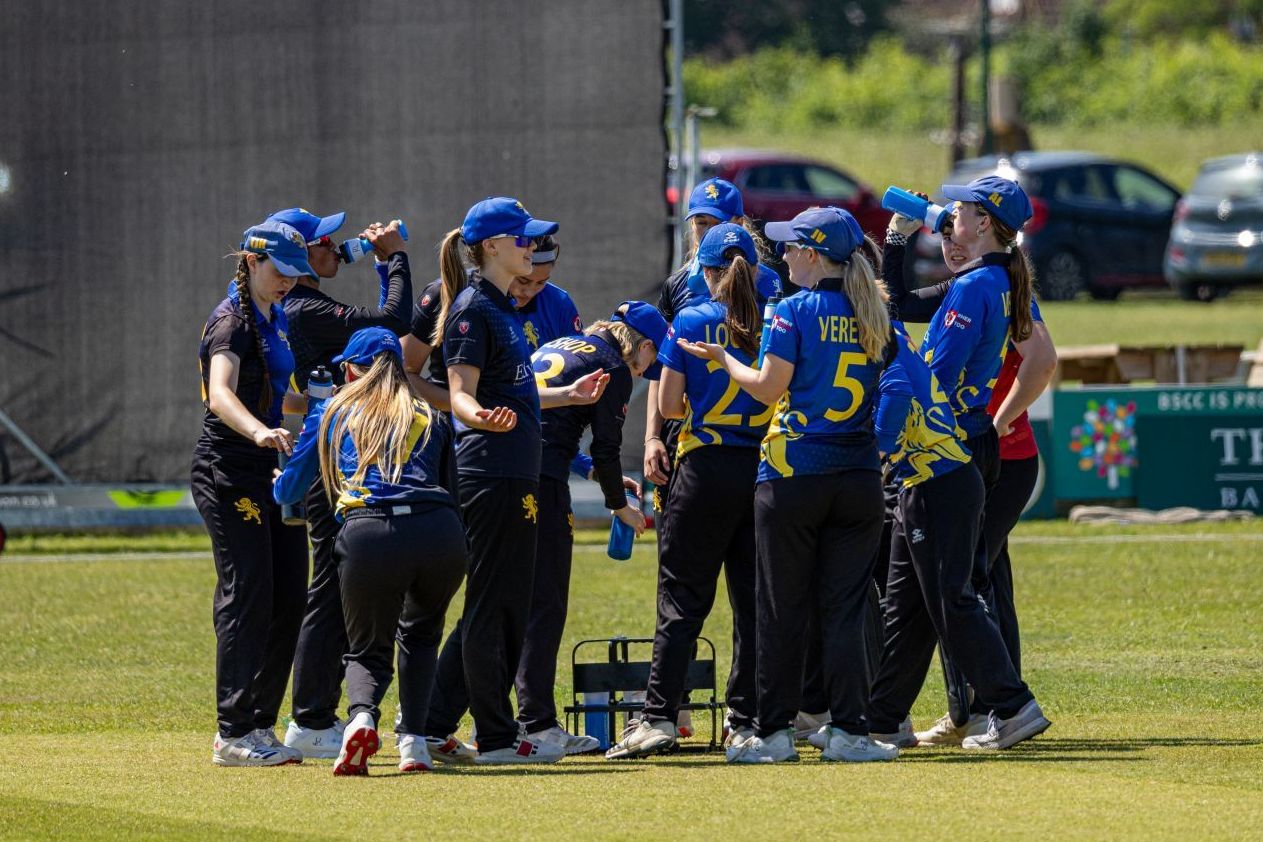
With the potential for periods of extreme heat during the summer months, clubs, players, officials and volunteers are encouraged to familiarise themselves with the ECB Extreme Weather Guidelines for the Recreational Game.
ECB EXTREME WEATHER GUIDELINES
Cricket is routinely played in the hottest months of the year. Everyone involved should always consider the risks associated with participating, spectating or officiating in hot and/or sunny and/or humid conditions. Particular care should be taken when amber or red extreme heat warnings are in place.
Extreme heat conditions are those that are hotter and/or more humid than normal local summer thresholds. Much higher temperatures are now being experienced in the UK, with temperatures of 40°C experienced across the country in recent years.
Dangers of Heat
Overheating is a risk for all participants, but particularly for players bowling at pace or batting for prolonged periods (especially with protective equipment).
Heat-related illnesses, like heat exhaustion or heatstroke, happen when the body is not able to cool itself properly. In these cases, a person’s body temperature rises faster than it can cool itself. The impact of high temperatures can be made worse by increased humidity and a high UV index.
The NHS suggests that heat exhaustion does not usually need emergency medical help if you can cool down within 30 minutes.
Signs of heat exhaustion include: tiredness, excessive sweating, dizziness, pale and clammy skin, headache, heat rash, feeling sick or being sick, cramps in the arms, legs and stomach, fast breathing or heartbeat, being very thirsty, a high temperature, and feelings of weakness.
In severe cases, an individual may develop heatstroke. The NHS recognises heatstroke as a medical emergency. Get immediate medical help if someone has the symptoms of heatstroke. The symptoms of heatstroke include:
• a very high temperature
• hot skin without sweating
• fast breathing and a fast heartbeat
• confusion and restlessness
• seizure (fit)
• loss of consciousness
Planning and Welfare
The following steps should be taken by all individuals including, but not limited to, grounds staff, players, spectators, officials and volunteers.
Anyone can be affected by extreme heat, but those who are most likely to suffer severe effects are older people (those over 65), young children (particularly those under five), and people with existing health conditions. Having strategies in place in advance provides the best chance of ensuring participants’ welfare:
Training Sessions
Consider shortening, suspending or even postponing sessions until conditions improve.
Matches - On Field Participants
Pre-match:
• Include weather conditions in your on-site risk assessment.
• Consider the safety of everyone attending including spectators, staff and volunteers.
• Monitor the weather forecast in the days before the event including wind chill or ‘feels like’ temperature.
• Check the air pollution forecast: in hot weather air pollution can increase and cause problems for people with breathing problems or asthma.
• The day before the fixture, check the forecasted temperature and/or any Heat-Health Alert issued, as well as the UV index, and plan appropriately.
• Consider whether the match could be moved to avoid the hottest part of the day, or time when conditions will be cooler.
• Consider whether the fixture should be re-arranged if conditions will be dangerous or unreasonable.
During the match:
• Take steps to protect from heat and sun including taking on extra fluids, wearing caps or wide brimmed hats, long sleeve shirts, sunglasses, frequently applying sunscreen etc.
• Consider the timing of the activity and if possible, avoid the hottest parts of the day. If both teams agree, the hours of play could be shortened.
• Ensure availability of cold water and cooling aids such as ice and ice-towels.
• Create a ‘cool’ area using natural shade or creating shade for participants.
• Be extra vigilant monitoring participants exhibiting signs of heat related illnesses (see ‘Signs of heat exhaustion’). Contact NHS 111 if you are concerned about someone’s health.
• Take longer, and more frequent, drinks breaks to allow participants to come off the field to cool down and rehydrate and consider a longer lunch and/or tea (if applicable).
• Consider suspending the match until conditions have improved.
Matches - Off Field Participants
Pre-match:
• Map and understand the shade at your venue. This should involve a review of what shaded areas are available at different times of the day. If shade is very limited, consider how it might be increased when needed, either with temporary or permanent structures.
During the match:
• Aim to provide areas of shade for awaiting batters, spectators and scorers where there is still good vision of the pitch.
• Ensure availability of cold water and cooling aids such as ice and ice-towels.
Sun Protection
- Apply a broad-spectrum product with an SPF 30 or higher, paying special attention to your ears and nose, as well as other exposed areas prone to burning.
- Using a sunscreen applicator, stick, or cleaning palms with a small towel and alcohol gel, is a good way to avoid a greasy grip whilst playing.
-
Once applied to the skin, reapply sunscreen every 2 hours, or more often if you are prone to excessive sweating, or playing hard!
-
Remember to wear a cap or wear a broad brimmed cricket hat which offers greater protection as it can shade the ears and neck. N.B. batters should continue to wear a helmet in accordance with ECB Recreational Cricket Safety Regulation 4, and ECB Recreational Cricket Safety Guidelines.
-
After the batting helmet comes off, remember to reapply sunscreen (it will be wiped off) and top off with a wide-brim hat.
-
Fielding but the sun is in your eye? Wear UV protective sunglasses keep your eyes safe. Consider adding a cap or wide brimmed hat to protect from glare from all angles.
-
Wear light coloured, light weight clothing that protects arms and legs. Consider flipping the collar up on tops for added protection, and using sun sleeves which provide flexibility when throwing and bowling.
-
The sun is strongest between 11am and 3pm so take particular care during this period.
-
Whilst spectating or waiting for play, do so in a shaded area, out of direct sunlight.
-
Consider setting up gazebos to protect your team if there is no natural shade available.
Heat-Health Alerts
The UK Health Security Agency, in partnership with the Met Office, has an alert system designed to identify when adverse temperatures are likely to impact on the health and wellbeing of the population (sign-up here). The core alerting season for heat events is between 1 June and 30 September. Alerts will be colour coded yellow, amber or red, with red indicating a significant risk to life for even the healthy population.